
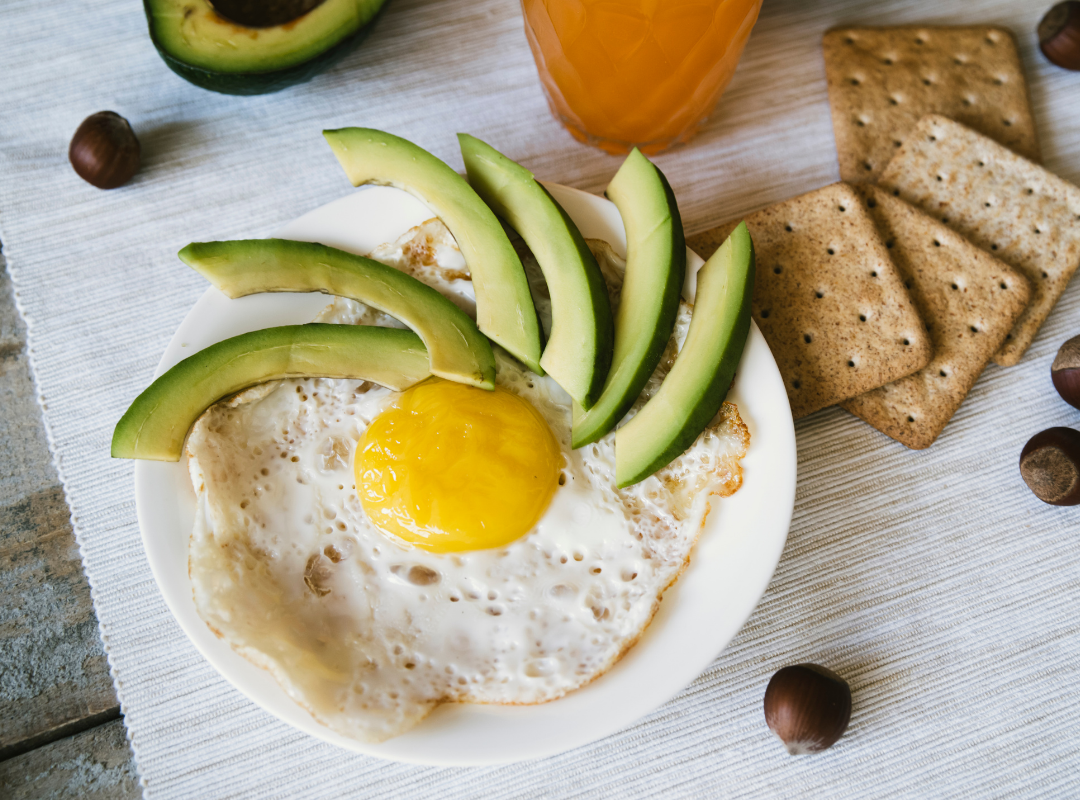
Snack ideas for seniors should be easy to eat, enjoyable, and nourishing without reducing interest in the next meal. Helpful choices include yogurt with fruit, cheese and whole-grain crackers, eggs, cottage cheese, oatmeal, hummus, nut butter on toast, and smoothies made with familiar ingredients.
The right choice depends on more than nutrition alone. Appetite, texture, preparation, packaging, and personal preferences all affect whether a snack will actually be eaten. At Platinum Care Homes, three daily meals and healthy snacks between meals are part of the daily routine. The ideas below can help you make thoughtful choices for an older adult at home or while exploring additional daily support.
What Makes a Snack a Good Choice for an Older Adult?
A good snack provides useful nourishment in a form the person can comfortably prepare and eat. The National Institute on Aging’s healthy eating guidance for older adults recommends choosing a variety of nutrient-dense foods from food groups that include fruits, vegetables, grains, protein foods, and dairy. A snack can support that broader eating pattern by filling a nutritional gap between meals.
A food may look healthy but still be impractical if the person cannot open the container, prepare it safely, hold it easily, or manage its texture. Before choosing a snack, consider five points:
- Nourishment: Does it provide protein, fruit, vegetables, whole grains, dairy, or another useful food group?
- Ease: Can the person access, open, prepare, and eat it?
- Texture: Is it comfortable for the person to chew and swallow?
- Appeal: Is it a food the person enjoys?
- Timing: Will the portion leave room for the next meal?
These questions help you move beyond finding a generally healthy food. They help you find something suitable for the individual and the moment.
Snack Ideas for Seniors Organized by Nutritional Purpose
The best snacks for seniors depend on what the person has already eaten, when the next meal is planned, and which foods are comfortable and appealing. Organizing choices by purpose makes it easier to select a snack that contributes something useful.
| What the senior may need | Snack ideas to consider | Practical consideration |
| More protein | Yogurt, cottage cheese, eggs, cheese, hummus, or nut butter | Choose a texture and serving size the person can manage comfortably |
| Simple energy | Oatmeal, cereal with milk, toast with nut butter, or crackers with cheese | Pairing food groups can make a small snack more satisfying |
| Fruit or vegetables | Banana, berries, applesauce, avocado, or soft vegetables with hummus | Wash, peel, cut, or soften foods as needed |
| More moisture and variety | Smoothies, yogurt, fruit, or applesauce | Moist foods may be easier to enjoy than dry options |
| A softer choice | Oatmeal, yogurt with fruit, cottage cheese, smoothies, or egg salad | Follow any individual texture recommendations already provided |
| Grab-and-go convenience | Yogurt cups, prepared eggs, bananas, cheese portions, or crackers | Check whether containers and packaging are easy to open |
One snack may serve several purposes. Yogurt with fruit, for example, can provide protein, fruit, moisture, and a soft consistency. A smaller serving may work well close to mealtime, while a more substantial combination may be useful after a lightly eaten meal.
Easy Snacks for Seniors Who Want Little or No Preparation
Easy snacks for seniors should require very few steps from storage to eating. Yogurt cups, bananas, applesauce, cheese and crackers, cottage cheese with fruit, prepared eggs, hummus, and nut butter with toast are practical options when cooking feels tiring or inconvenient.
Preparation done earlier can also make good choices more accessible. You might wash and prepare fruit, portion crackers, place frequently chosen foods where they are easy to see, or prepare a few eggs in advance. The CDC’s guidance on planning healthier meals and snacks explains that planning food at home can support healthier choices.
Convenience includes more than preparation time. A sealed package may be difficult to open. A snack stored on a high shelf may not be safely accessible. A food that requires several utensils may be left untouched. Looking at the whole process can reveal why a seemingly convenient snack is not working.
High-Protein Snacks for Seniors Between Meals
High-protein snacks for seniors can make a small serving more substantial, especially when the person eats modest portions at regular meals. Examples include yogurt with fruit, cottage cheese, an egg, cheese with whole-grain crackers, hummus with bread or soft vegetables, nut butter on toast, and cereal with milk or fortified soy milk.
The National Institute on Aging’s meal-planning tips for older adults encourage including protein sources throughout the day, including dairy or fortified soy products, beans, peas, lentils, and other protein foods. The right amount and source depend on the individual’s overall eating pattern and any guidance they have received.
Protein content should not be the only factor. A hard-boiled egg may be simple for one person but unappealing to another. Nut butter may be easy to store but unsuitable for someone with an allergy or certain texture needs. Choose an option that fits the person’s preferences, abilities, and dietary instructions.
Softer Snack Ideas and Simple Recipe Combinations
Softer snacks can be useful for a person who finds dry, firm, or crunchy foods less comfortable. Simple combinations include yogurt with banana, oatmeal with soft fruit, cottage cheese with pineapple, egg salad, avocado on soft toast, and a smoothie made with fruit and yogurt.
A few flexible combinations can make snack preparation easier:
- Yogurt and fruit: Add banana, berries, or another preferred soft fruit.
- Whole grain and protein: Pair toast or crackers with cheese or nut butter.
- Soft base and topping: Add fruit or another suitable topping to oatmeal.
- Dip and side: Serve hummus with soft vegetables or bread.
- Blend and serve: Combine familiar fruit with yogurt for a smoothie.
“Soft” does not mean a food is appropriate for every chewing or swallowing concern. Some foods can still be difficult to manage because of thickness, mixed textures, dryness, or small pieces. Follow any professional recommendations already provided for the individual.
How to Choose Snacks Without Spoiling the Next Meal
Choose the timing and portion based on the person’s appetite and how soon the next meal will be served. A small snack may be enough when lunch or dinner is approaching. A more substantial option may make sense when the person ate very little at the previous meal.
Pay attention to patterns over several days. Does frequent grazing reduce interest in meals? Is the person hungrier at one time of day? Are certain textures or temperatures more appealing? These observations can be more useful than following a fixed snack schedule.
A few questions can help you adjust the routine:
- Did the person eat much at the previous meal?
- How long is it until the next meal?
- Can they access and eat the snack comfortably?
- Is the portion satisfying without being overwhelming?
- Do they regularly enjoy this food?
A snack should support the day’s nourishment, not become a source of pressure. Flexible timing and modest portions can help preserve interest in regular meals.

What Can You Offer When a Senior Does Not Want to Eat?
Start with a small portion of a familiar food that looks and smells appealing. A large plate can feel overwhelming when appetite is low. Yogurt with fruit, oatmeal, cottage cheese, egg salad, toast with nut butter, applesauce, or a smoothie may feel more manageable than a full meal.
Preferences can change from one day to the next. Temperature, smell, texture, timing, and presentation may all affect whether a food is accepted. Offering two simple choices can give the person some control without creating pressure. The National Institute on Aging’s guidance on maintaining a healthy weight notes that people who become full quickly may find smaller, more frequent meals and nutrient-dense snacks helpful.
A continuing change in eating deserves attention. The issue may not be finding the perfect snack. It may involve discomfort, difficulty preparing food, trouble chewing, changes in routine, or another concern. Seek appropriate professional guidance when reduced intake is sudden, ongoing, or causing concern.
A Practical Daily Food Pattern Matters More Than One Perfect Snack
There is no universal list of five foods that every senior must eat each day. A balanced pattern includes variety across protein foods, fruits, vegetables, grains, dairy or suitable alternatives, and fluids. Snacks can help contribute to that pattern, but they do not need to contain every food group at once.
Age 70 does not come with one fixed menu. Food choices should reflect the person’s appetite, preferences, abilities, routines, and individual dietary guidance. The National Institute on Aging’s explanation of food groups for older adults recommends eating a variety of foods across five main groups: fruits, vegetables, grains, protein, and dairy.
Packaged crackers, cheeses, and prepared snack foods can vary greatly in sodium, so comparing labels can help you choose between similar options. According to the CDC’s current sodium guidance, Americans consume more than 3,300 milligrams of sodium per day on average, while the federal recommendation for teens and adults is less than 2,300 milligrams as part of a healthy eating pattern.
Hydration deserves a place in the daily routine as well. Water, milk when appropriate, smoothies, fruit, yogurt, and other moisture-rich foods can contribute to fluid intake. The CDC’s guidance on water and healthier drinks explains that drinking enough water helps prevent dehydration, which can affect thinking, mood, body temperature, digestion, and kidney health.
Making Meals and Healthy Snacks More Consistent at Platinum Care Homes
Healthy snacks work best as part of a steady routine that considers meals, preferences, and the level of daily assistance a person needs. Platinum Care Homes serves three meals each day and offers healthy snacks between meals at its Tucson locations on East Sobre Lomas and East 5th Street. Personal Care may include assistance with Activities of Daily Living, such as feeding, mobility, grooming, dressing, bathing, and toileting. Families can learn more about available services and how they relate to everyday support.
If you are wondering whether an older adult could benefit from more consistency with meals, personal care, or daily routines, the Care Assessment can help you consider the level of support that may fit their needs. You may also contact Platinum Care Homes to ask about meal routines, healthy snacks, Personal Care, or the two Tucson locations.
Frequently Asked Questions
What are some easy grab-and-go snacks?
Easy grab-and-go snacks include yogurt cups, bananas, applesauce, prepared eggs, cheese with crackers, cottage cheese, and small portions of hummus. Nut butter with toast or crackers may also be convenient when suitable for the individual. Check that the package is easy to open and the food is comfortable to hold, chew, and swallow. Preparing portions ahead of time can make these choices easier to access.
What are five foods that seniors should eat every day?
There is no single set of five foods that every senior should eat daily. A varied eating pattern can include fruits, vegetables, protein foods, grains, and dairy or suitable alternatives. Fluids should also be part of the daily routine. Personal preferences, abilities, and individual dietary guidance should shape the specific choices.
What should a 70-year-old eat?
A 70-year-old should eat a varied selection of foods that fits their appetite, preferences, daily routine, and individual needs. Meals and snacks can include protein foods, fruits, vegetables, grains, dairy or alternatives, and fluids. Age alone does not determine the right menu or portion size. Any personal dietary recommendations should guide food selection.
What can you feed seniors who do not want to eat?
Offer a small portion of a familiar, appealing food that is easy to manage. Yogurt, oatmeal, applesauce, cottage cheese, egg salad, soft fruit, toast with nut butter, or a smoothie may feel less overwhelming than a full plate. Consider whether temperature, smell, texture, timing, or portion size is affecting interest. Seek professional guidance if the change in eating is sudden, persistent, or concerning.
What are some high-protein snacks for seniors?
High-protein options include yogurt, cottage cheese, eggs, cheese, hummus, nut butter, milk, and fortified soy milk. These can be paired with fruit, bread, cereal, or whole-grain crackers when appropriate. Choose a portion and texture the person can comfortably manage. Individual dietary guidance should take priority when provided.