

A healthy menu for seniors can include three balanced meals, nourishing snacks, and drinks offered throughout the day. Each meal should combine familiar foods from several food groups while remaining flexible enough to accommodate personal preferences, appetite, chewing ability, medical guidance, and the amount a person feels comfortable eating.
The menu below is a practical starting point, not a prescribed diet. Older adults with diabetes, kidney disease, heart disease, food allergies, swallowing difficulties, or other health concerns may need an individualized plan from a physician or registered dietitian nutritionist.
A Healthy One-Day Menu for Seniors
Healthy senior meals do not have to be elaborate. Familiar foods can provide variety and nourishment when they are combined thoughtfully and prepared in a way the person can comfortably manage.
Breakfast
- Oatmeal prepared with milk or a fortified nondairy alternative
- Blueberries, sliced banana, peaches, or another soft fruit
- One egg or a small serving of Greek yogurt
- Water, milk, tea, or another suitable drink
Oatmeal and fruit provide carbohydrates and fiber, while the egg or yogurt adds protein. The fruit and protein can be served separately when a mixed bowl is less appealing.
Morning Snack
- Greek yogurt with soft fruit
- Whole-grain toast with nut or seed butter
- Cheese with sliced pear or applesauce
Snacks are optional. They can be useful when a person eats only a small amount at breakfast or needs another opportunity to eat before lunch.
Lunch
- Chicken, tuna, egg, or bean salad
- Whole-grain bread, pita, or crackers
- Vegetable soup, cooked vegetables, or soft fruit
- Water or another suitable drink
A half sandwich with soup may be more manageable than a large plated meal. The other half can be stored safely for later when appropriate.
Afternoon Snack
- Hummus with soft vegetables or pita
- Cheese and whole-grain crackers
- A smoothie made with fruit, yogurt, milk, or another suitable base
A snack can function as a small meal when appetite is strongest between conventional mealtimes.
Dinner
- Baked fish, chicken, beans, lentils, or another protein
- Cooked vegetables
- Brown rice, quinoa, potato, or another grain or starch
- Fruit or yogurt
- Water, milk, or another appropriate drink
Portions do not need to be large to create a balanced plate. Start with an amount that feels manageable and offer more when the person remains hungry.

What Makes the Menu Balanced?
A useful elderly meal plan includes enough variety to provide protein, carbohydrates, fats, vitamins, minerals, and fluids. Older adults may need fewer calories than they once did while still needing nutrient-rich foods. Some may also need more protein, depending on their health and individual needs.
The National Library of Medicine’s nutrition guidance for older adults recommends foods such as fruits, vegetables, whole grains, dairy or fortified alternatives, seafood, lean meats, poultry, eggs, beans, nuts, and seeds. It also notes that medicines, changes in taste or smell, and chewing or swallowing problems can make healthy eating more difficult.
When planning healthy meals for elderly family members, consider including:
- Protein: Eggs, fish, poultry, yogurt, cottage cheese, beans, lentils, tofu, nuts, or seeds
- Fruits and vegetables: A range of colors, with softer or cooked choices when easier to eat
- Grains and starches: Oatmeal, whole-grain bread, brown rice, quinoa, pasta, or potatoes
- Calcium-rich foods: Milk, yogurt, cheese, or an appropriate fortified alternative
- Suitable fats: Nuts, seeds, avocado, olive oil, or nut butter
- Fluids: Water and other drinks permitted under the person’s health plan
The National Institute on Aging’s healthy meal-planning guidance recommends drinking water throughout the day and limiting sugary drinks. Some people become less aware of thirst as they age, so caregivers may need to offer drinks regularly rather than waiting for a request.
How to Adjust Meals When Appetite Changes
An elderly meal plan should respond to how the person is eating now rather than relying on a schedule or portion size that used to work.
When appetite is limited, try:
- Serving smaller amounts that do not make the plate feel overwhelming
- Offering several small meals or snacks instead of relying on three large portions
- Scheduling the largest meal when the person is usually most hungry
- Including a protein or another nutrient-dense food in smaller meals
- Serving familiar foods alongside new choices
- Keeping presentation simple rather than crowding the plate
- Offering drinks regularly while following any fluid restrictions from a health professional
For example, a person who does not want a full lunch might accept half a turkey sandwich, a small bowl of soup, and fruit. Someone who leaves most of dinner untouched may prefer a small baked potato with cottage cheese or beans.
Changes in appetite can be connected to illness, medication, dental discomfort, changes in taste or smell, grief, depression, or other concerns. Persistent appetite loss or unplanned weight loss should be discussed with a healthcare professional rather than managed only by changing recipes.
Simple Meal Ideas for Seniors Who Prefer Smaller Portions
Small portions can still include several food groups. These combinations are easier to assemble than a large entrée with multiple side dishes:
- Scrambled egg, toast, and sliced fruit
- Yogurt with oatmeal and berries
- Half a sandwich with vegetable soup
- Small baked potato topped with beans or cottage cheese
- Smoothie with a piece of toast or several whole-grain crackers
- Mini rice or quinoa bowl with chicken, beans, and cooked vegetables
- Cheese, fruit, and whole-grain crackers
- Hummus, pita, and soft vegetables
- Tuna or egg salad with crackers and fruit
- Oatmeal with nut butter and banana
These meal ideas for seniors are starting points. Ingredients should be changed when allergies, prescribed diets, food preferences, cultural traditions, or eating difficulties make another choice more suitable.
Make Healthy Senior Meals Easier to Prepare and Serve
Caregivers do not need to cook a completely different recipe for every meal. Preparing a few versatile ingredients can make healthy meals for the elderly easier to manage throughout the week.
Helpful shortcuts include:
- Buying frozen vegetables and fruit without heavy sauces or added syrups
- Choosing pre-cut produce when chopping is difficult or time-consuming
- Preparing a batch of rice, quinoa, potatoes, or another versatile base
- Cooking chicken, beans, lentils, or another protein that can be used in several meals
- Keeping eggs, yogurt, canned tuna, low-preparation soups, and whole-grain crackers available
- Using sheet-pan, slow-cooker, soup, and bowl-style meals
- Freezing appropriate portions for low-energy days
- Placing commonly used items within easy reach
- Serving food in bowls or dishes that are comfortable to hold and use
Texture matters, but caregivers should not assume that simply blending or softening food safely addresses a swallowing problem. Difficulty or pain when swallowing can make it hard to consume enough food and fluids. The MedlinePlus overview of swallowing disorders explains that professional assessment may be needed and that treatment can involve a speech-language pathologist.
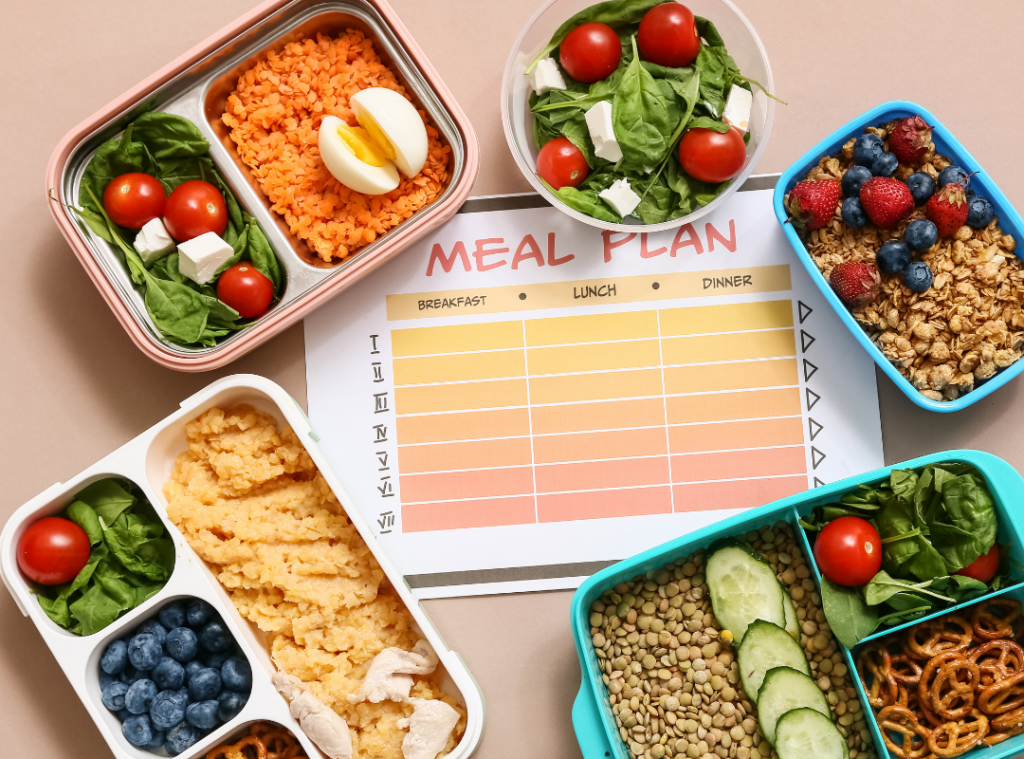
How to Plan Meals for the Week
Planning meals for the elderly becomes simpler when the week is built around reusable ingredients rather than seven unrelated daily menus.
- List familiar favorites. Write down several breakfasts, lunches, dinners, and snacks the person already enjoys.
- Choose a few foods from each group. Select proteins, vegetables, fruits, grains or starches, calcium-rich foods, and drinks that can be combined in different ways.
- Reuse ingredients without repeating the same meal. Baked chicken might be served with vegetables at dinner, used in a sandwich at lunch, and added to soup later in the week.
- Plan smaller alternatives. Keep yogurt, eggs, soup, crackers, fruit, cheese, hummus, or smoothie ingredients available for days when a full meal is not appealing.
- Prepare for low-energy days. Include several meals that require little cooking or can be reheated safely.
- Notice what is actually eaten. A balanced plan is not useful when the portions, flavors, textures, or timing regularly discourage the person from eating.
- Adjust the next plan. Replace unpopular meals, change portion sizes, and schedule favorite foods when appetite tends to be strongest.
A weekly plan should provide structure without becoming rigid. Preferences and appetite may change from one day to the next.
When a Standard Menu May Not Be Enough
General healthy menus for seniors may not be appropriate when a person has:
- Diabetes, kidney disease, heart disease, or another condition affecting food and fluid choices
- A prescribed therapeutic diet
- Food allergies or significant intolerances
- Dental pain or difficulty chewing
- Coughing, choking, pain, or difficulty while swallowing
- Persistent appetite loss
- Unplanned weight loss
- Medication-related nausea, dry mouth, or changes in taste
A physician or registered dietitian nutritionist can help with medical and nutritional needs. A dentist may need to evaluate chewing problems, while a speech-language pathologist may assess swallowing difficulties.
Make Meals Part of a Supportive Daily Routine
A healthy menu works best when it is nourishing, enjoyable, practical, and responsive to the person eating it. Families can begin with a simple day of meals and snacks, then adjust the foods, timing, portions, and preparation method around individual needs.
At Platinum Care Homes, meals are part of a broader Wellness Program. The community aims to provide fresh, well-balanced meals three times a day, offer healthy snacks between meals, and serve meals together to create opportunities for social connection. Families can review Platinum Care Homes’ services and Wellness Program to learn how meals fit within its approach to daily support.
Families comparing care options may also find it helpful to review these questions to ask about a senior wellness program. The article explains how to evaluate meals alongside personal care, medication management, activities, mobility, and changing support needs.
For help considering the level of support an older adult may need, complete the Platinum Care Homes care assessment.